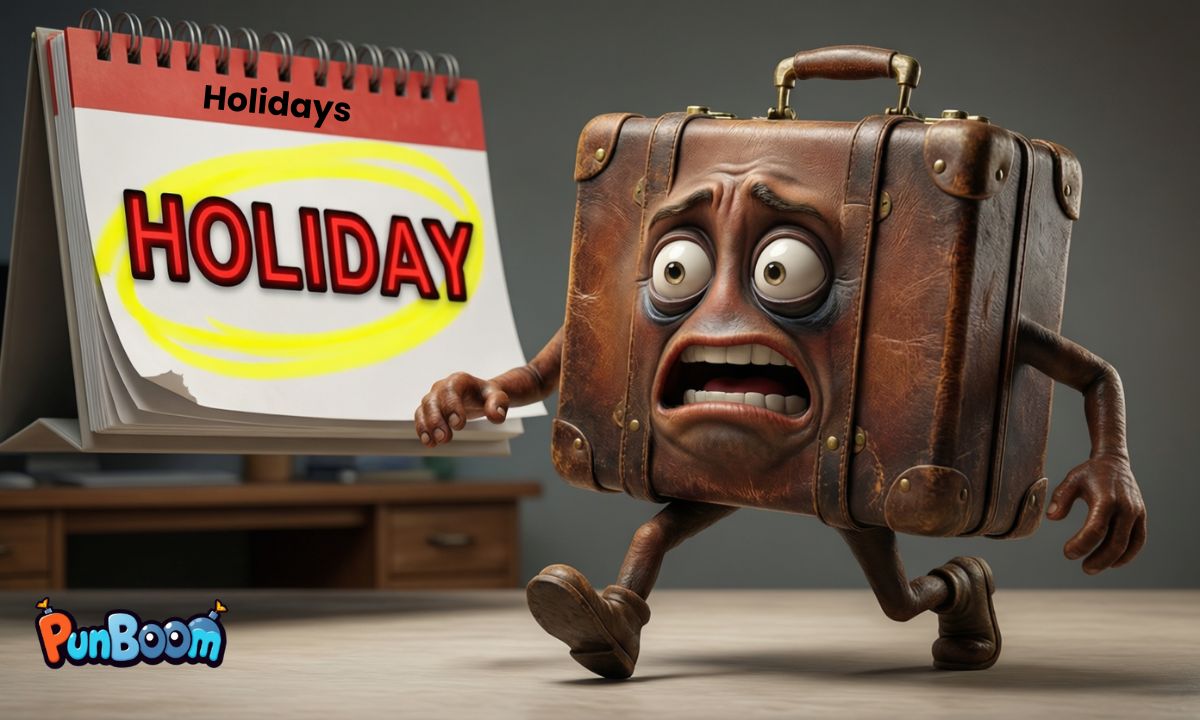
Holidays have a strange effect on people. One minute everyone’s normal, the next minute they’re packing three outfits for a two-day trip and calling it “planning.” Somehow, holidays turn calm people into overthinkers and spontaneous people into scheduling experts.
A holiday isn’t just time off—it’s a personality shift. Sleep schedules disappear, spending rules loosen, and suddenly everyone believes this trip will “reset everything.” It won’t, but the hope is part of the tradition.
This article isn’t about travel guides or perfect plans. It’s about the funny, relatable side of holidays—the habits, moods, expectations, and quiet chaos that show up every time people decide to take a break from real life.
This isn’t loud, punchline comedy—it’s gentle, relatable humor for people who enjoy smiling, not snorting coffee.
Holidays Instantly Delete Common Sense
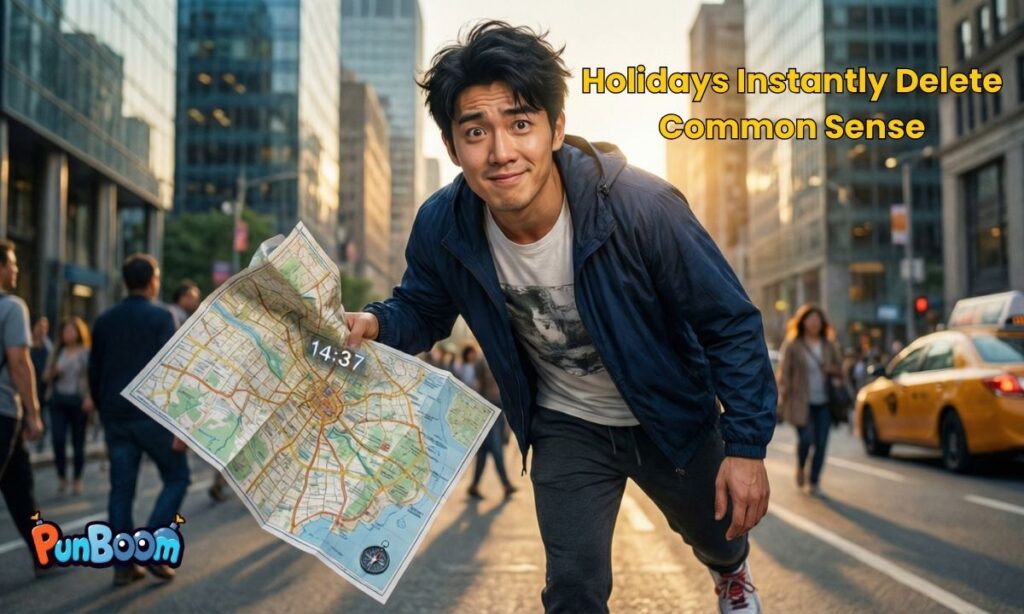
Holidays flip a switch where confidence replaces logic. Things you’d never do normally suddenly feel reasonable, exciting, and “part of the experience.” Common sense doesn’t disappear—it just takes time off.
Holiday Logic Is Not Transferable
- On holidays, I believe 6 a.m. plans are realistic.
- Holiday logic says three alarms count as discipline.
- I pack confidence, not consequences.
- My brain switches to “we’ll figure it out” mode.
- Suddenly, spending feels like a future problem.
- Holiday logic assumes energy is renewable.
- I trust vibes more than maps.
- Common sense stays home; optimism comes along.
- I make decisions I’d question on a normal Tuesday.
- Holiday logic believes queues move faster when ignored.
- I stop calculating time and start guessing.
- Every bad idea feels like a memory in progress.
Time, Sleep, and Reality Go Missing
- Sleep becomes a loose suggestion.
- Time zones multiply emotionally.
- I’m tired but committed.
- Reality clocks out early on holidays.
- I nap aggressively and call it recovery.
- Bedtimes are replaced by “after this one thing.”
- I wake up confused but optimistic.
- Sleep debt quietly grows interest.
- I exist in a time blur called “vacation hours.”
- Reality returns only when work emails appear.
- Holidays don’t erase time—they hide it.
The Holiday Version of You Is a Stranger
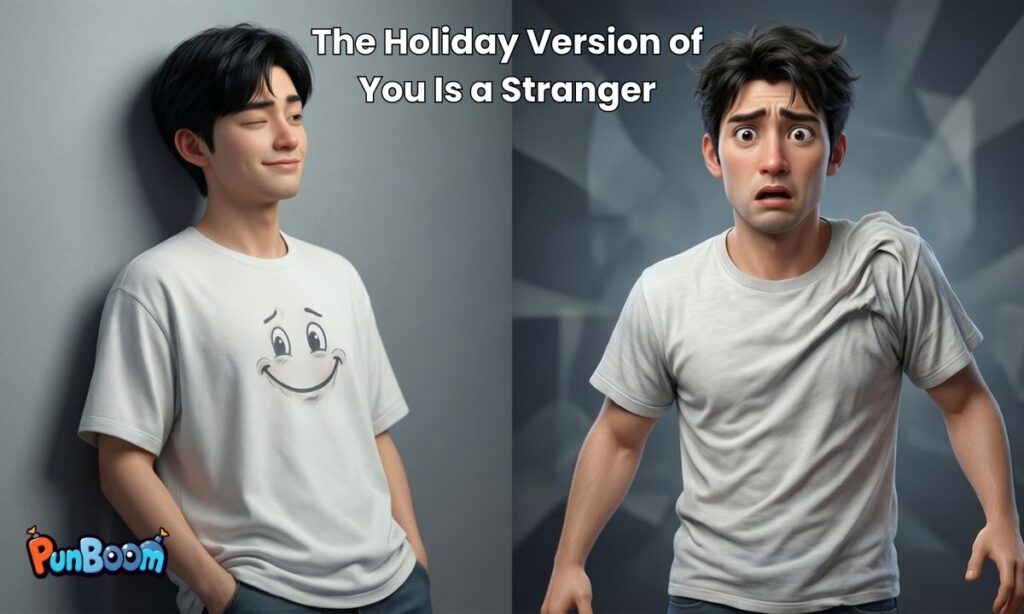
Holiday you makes decisions normal you would question politely. This version is optimistic, relaxed, and slightly unrecognizable. You accept it because arguing feels like effort.
Relaxed, But Somehow More Tired
- I’m relaxed in theory, exhausted in practice.
- Holiday rest requires recovery.
- I nap like it’s a competitive sport.
- I’m tired from relaxing incorrectly.
- Sitting still somehow drains energy.
- I wake up tired but positive.
- I rest with ambition and fail immediately.
- My body is on vacation; my fatigue came early.
- I call it rest, my eyes call it betrayal.
- I relax until I need another break.
- Holiday tired hits different.
Personality Changes Without Warning
- Holiday me makes choices I don’t recognize.
- I become spontaneous and regretful.
- My usual habits take a holiday too.
- I’m nicer, slower, and slightly delusional.
- I talk to strangers confidently.
- I believe in last-minute plans.
- I eat like consequences are optional.
- I stop checking the time entirely.
- I trust “we’ll see” far too much.
- Holiday me ignores future me completely.
Every Holiday Starts With Unrealistic Confidence

Before the holiday begins, energy feels unlimited and plans feel achievable. You believe you’ll wake up early, do everything, and still feel rested. This confidence has never been correct, but it returns every time.
“We’ll Wake Up Early” Lies
- We say it like we mean it.
- Alarms are set with fake hope.
- Morning plans exist only on paper.
- I believe in mornings briefly.
- Waking up early sounds great at night.
- The bed negotiates aggressively.
- Snooze buttons become emotional support.
- “Just five more minutes” repeats hourly.
- I wake up late but confident anyway.
- Early plans are aspirational fiction.
Plans Made by Optimism, Not Experience
- Optimism writes checks reality won’t cash.
- I plan like I’ve never been tired before.
- Experience is ignored deliberately.
- Every plan assumes perfect energy.
- I forget travel takes effort.
- I schedule joy back-to-back.
- Breaks are assumed, not planned.
- My itinerary believes in miracles.
- I trust my future too much.
- Optimism wins, experience sighs.
Packing for Events That Will Never Happen
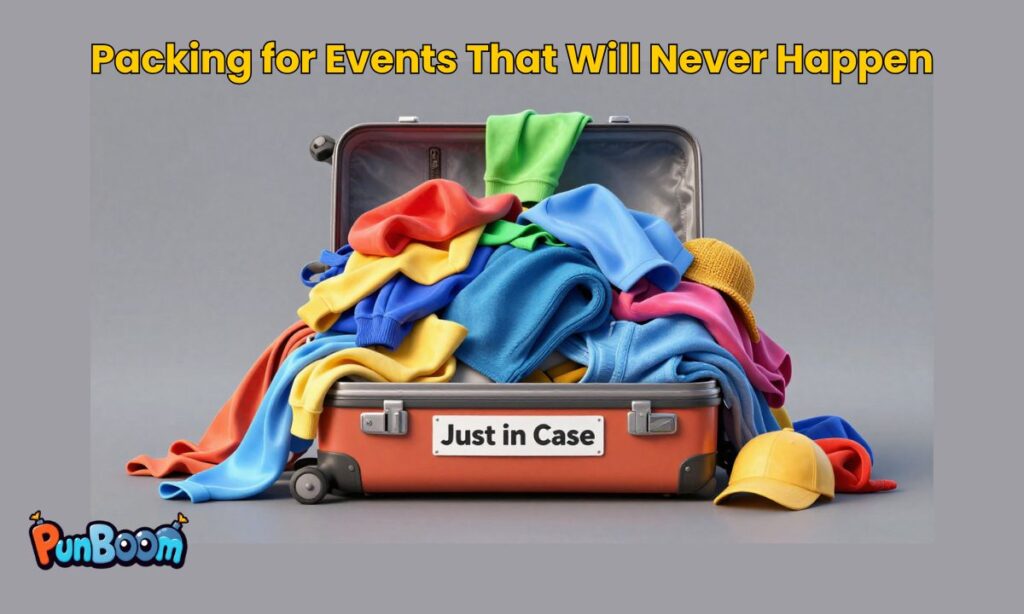
Packing turns into emotional forecasting. You don’t pack for what will happen—you pack for what might happen in an alternate version of the trip. The suitcase carries hope, not realism.
Emotional Support Outfits
- I pack outfits for emotional emergencies.
- This shirt understands me.
- I bring clothes for moods, not weather.
- That outfit might save the trip.
- I pack confidence in fabric form.
- This jacket has emotional responsibilities.
- I don’t wear it, but I need it nearby.
- Some clothes are just moral support.
- I pack outfits I want to become.
- My suitcase believes in backup personalities.
Just in Case of Everything
- I pack for fictional scenarios.
- What if it’s cold, hot, formal, and casual?
- I bring options, not logic.
- The suitcase is filled with “just in case.”
- I prepare for situations I won’t enter.
- I pack like the weather is unpredictable everywhere.
- I bring shoes for events I avoid.
- My bag carries hope, not restraint.
- Overpacking feels responsible at the time.
- I close the suitcase with confidence.
Holiday Plans That Collapse by Day Two
The first day runs on excitement. The second day introduces fatigue, hunger, and honesty. By then, the plan quietly retires without explanation.
Ambitious Schedules Meet Reality
- Day one is optimism. Day two is honesty.
- The schedule ages badly overnight.
- I cancel plans emotionally first.
- Reality reviews the itinerary and laughs.
- I planned too many activities per person.
- Energy levels drop without warning.
- My schedule didn’t factor in sitting.
- Everything looks closer on the map.
- I ignore the plan respectfully.
- Ambition clocks out early.
When Rest Becomes the Main Activity
- Rest becomes an unexpected highlight.
- Sitting feels productive suddenly.
- I rest with purpose.
- Doing nothing becomes a skill.
- My favorite activity is horizontal.
- I cancel plans to protect my peace.
- Rest wins every argument.
- I plan naps aggressively.
- Holiday success is staying seated.
- Rest was the goal all along.
Group Holidays and the Art of Silent Frustration
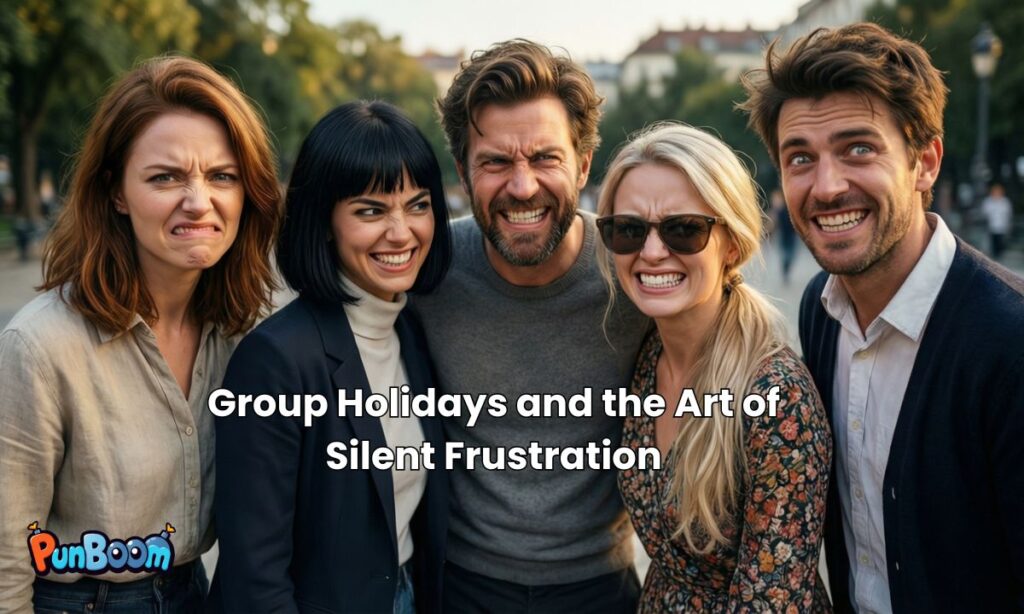
Group holidays are where expectations politely collide. Everyone wants something different but agrees to everything anyway. The frustration stays unspoken, mostly because snacks are involved.
Different Moods, One Bad Decision
- Everyone arrives with a different vibe.
- Someone wanted to rest. Someone wanted adventure.
- We agreed without understanding the agreement.
- Energy mismatches appear immediately.
- One person wakes up early out of spite.
- Someone’s always hungry but not sure what.
- Group mood changes hourly.
- Nobody remembers who planned this.
- The tension is polite but powerful.
- We smile through the confusion.
Who Thought This Was a Good Idea
- Planning felt easier than execution.
- Friendship was tested immediately.
- We believed compromise would happen naturally.
- Decisions take longer with witnesses.
- Everyone wants different food at the same time.
- Silence means disagreement.
- Group chats lie.
- Democracy fails under hunger.
- We survive on patience and snacks.
Holidays 2026, Same People, Same Chaos
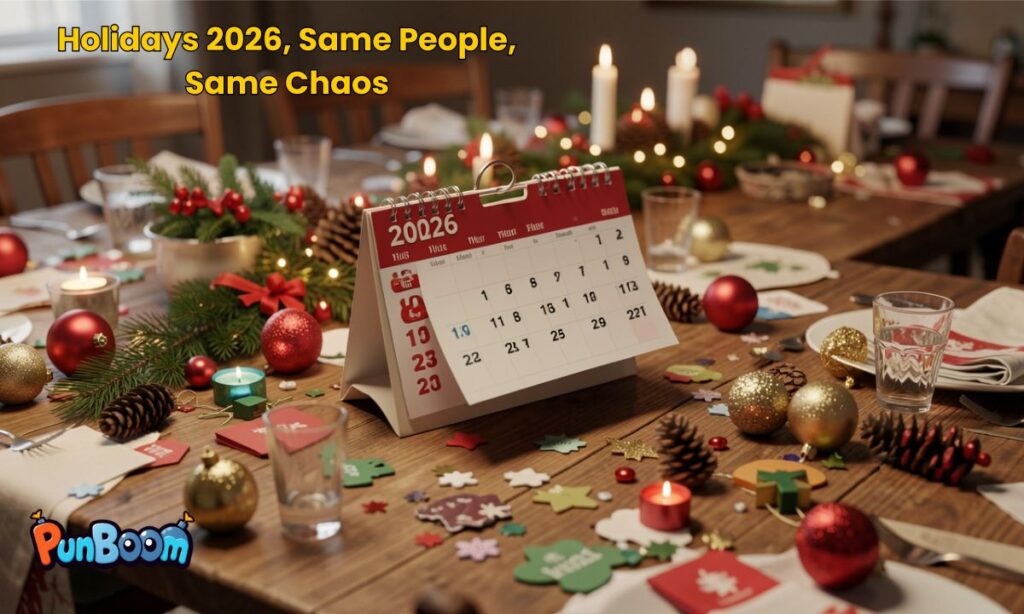
The year changes, but holiday behavior doesn’t. The same habits, jokes, and minor chaos return on schedule. At this point, it’s tradition.
New Year, Familiar Drama
- The calendar changes, the behavior doesn’t.
- We swear this year will be calmer.
- Someone brings up old stories immediately.
- Traditions arrive before logic.
- The same jokes make a comeback.
- Everyone claims they’ve changed.
- Nothing confirms growth like repeating mistakes.
- Drama shows up uninvited but on time.
- We act surprised every year.
- Familiar chaos feels weirdly comforting.
Traditions That Refuse to Evolve
- Traditions survive better than resolutions.
- We keep habits we complain about.
- “We’ve always done it this way” wins.
- Change threatens nostalgia.
- Traditions ignore feedback politely.
- We repeat rituals with confidence.
- Complaints are part of the tradition.
- Traditions age, but don’t retire.
- Every holiday runs on muscle memory.
The Pressure to “Have Fun” on Command
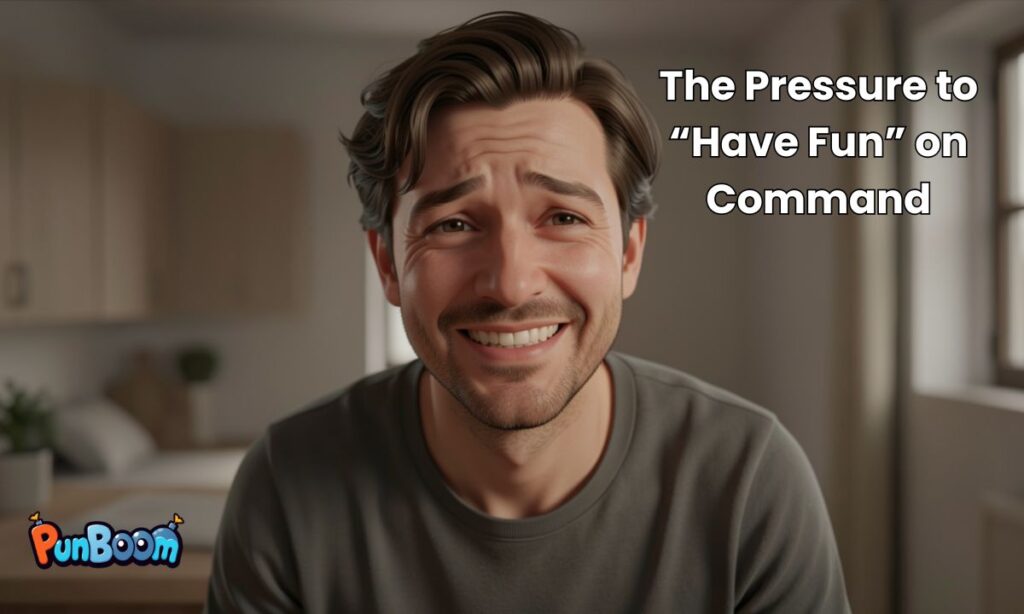
Holidays come with the strange demand to enjoy every moment. Relaxation becomes performative, and fun starts feeling like homework. Ironically, the pressure ruins the vibe it’s trying to protect.
Scheduled Relaxation Stress
- Relaxation becomes a task.
- I stress about relaxing properly.
- Fun feels strangely mandatory.
- I check the time while “enjoying myself.”
- Relaxation doesn’t like being watched.
- I relax best accidentally.
- Planning fun ruins it gently.
- I perform enjoyment convincingly.
- I relax on a strict schedule.
- The pressure ruins the vibe politely.
Smiling Through Exhaustion
- I smile while mentally lying down.
- Exhaustion wears a happy face.
- Photos hide the fatigue well.
- I look happy; my feet disagree.
- Joy takes effort suddenly.
- I push through with snacks.
- The smile fades after the photo.
- Fun requires recovery time.
- I enjoy things quietly now.
Why Holidays End the Moment You Start Enjoying Them
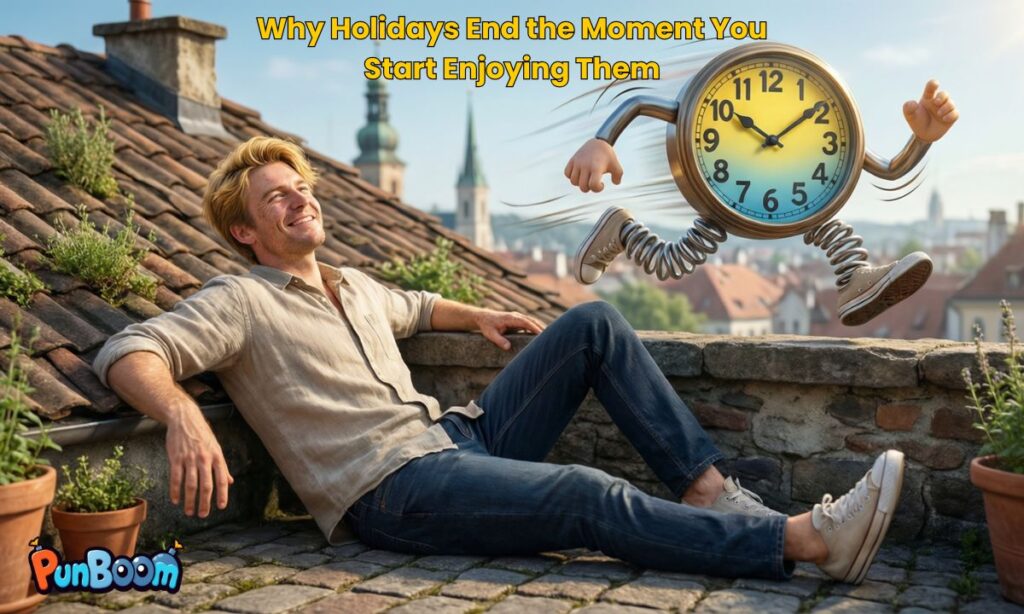
Just when you settle in, time speeds up suspiciously. Enjoyment seems to alert reality that it’s time to wrap things up. The holiday doesn’t end slowly—it vanishes.
The Sudden Countdown
- Time speeds up once you relax.
- Enjoyment triggers the countdown immediately.
- Suddenly it’s “last full day.”
- I just figured out the routine.
- The clock gets aggressive.
- I start doing math unwillingly.
- Fun alerts reality.
- Every good moment feels numbered.
- I check dates with suspicion.
- Holidays don’t end—they disappear.
Mentally Back at Work Already
- My brain clocks in early.
- Work emails haunt the vibe.
- I mentally reply while pretending to relax.
- My soul is on holiday; my mind is not.
- I pack stress for the return trip.
- I plan productivity defensively.
- The fun fades quietly.
- I say “next time” confidently.
Holiday Q&A (Quick Answers People Actually Ask)
Q: What does holiday really mean?
A: Time off where plans fail and memories still happen.
Q: Why do holidays feel so short?
A: Because time moves faster when you finally relax.
Q: Why do people act differently on holiday?
A: Responsibility stays home; optimism travels instead.
Q: Are holidays actually relaxing?
A: Eventually—after you stop trying to enjoy them.
Q: Why do holidays need so much planning?
A: To create the illusion of control.
Q: Why do holidays end so fast?
A: Enjoyment alerts the calendar.
Q: What’s the best part of a holiday?
A: The moment you stop checking the time.
Wrapping Up: Holidays Never Go as Planned (And That’s the Point)
Holidays have a talent for ignoring schedules, humbling optimism, and exposing how little control we actually have once we try to relax. Plans fall apart, personalities shift, naps replace adventures, and somehow it all still counts as a good time. The chaos isn’t a bug—it’s the feature.
If there’s one thing holidays consistently deliver, it’s stories, not perfection. The missed plans, overpacked bags, awkward group moments, and rushed endings become the parts we laugh about later. Holidays don’t need to be efficient or flawless—they just need to happen. And somehow, they always do.

Rachel Collins is the founder and creative voice behind Pun Boom, where words go BOOM! A writer with a sharp wit and a love for wordplay, Rachel turns everyday ideas into clever, laugh-worthy puns that spark joy and creativity. She believes humor connects people one pun at a time and aims to make readers smile with every post. When she’s not crafting puns, she’s exploring new ideas, chasing inspiration, and enjoying the lighter side of life.