It has become increasingly important for companies that rely on strong mobile network coverage to conduct their operations. This will help employees make phone calls, send messages, complete transactions, access work-related applications, and communicate with their clients on a timely basis. When mobile service works smoothly indoors, daily tasks feel easier, teams stay better connected, and customers receive faster support. For many modern businesses, steady connectivity is now part of running a professional and efficient workplace.
For most businesses based in San Antonio, poor indoor cellular reception can create problems on a daily basis. These range from dropped phone calls and failed text messages to roaming in search of reception. A well-planned signal boosting system helps reduce those issues and gives businesses more reliable indoor connectivity. A well-planned signal boosting system helps reduce those problems and gives businesses more reliable indoor connectivity where it matters most.
Better Commercial Indoor Coverage Supports Daily Business Operations
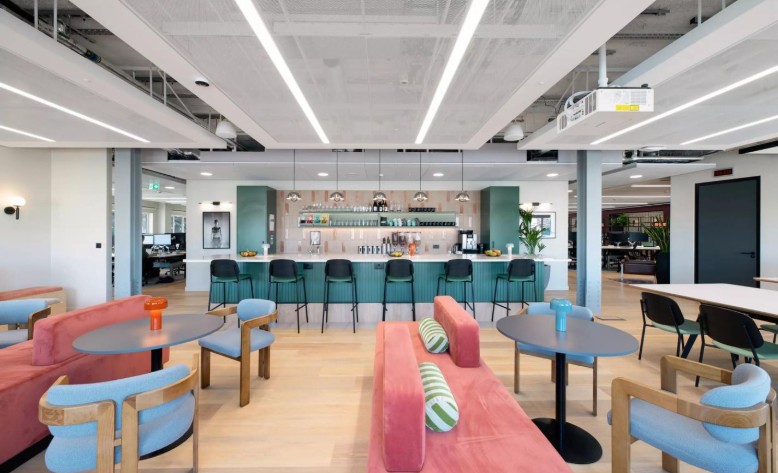
Many commercial buildings have weak indoor reception because the outdoor signal struggles to penetrate walls, roofs, glass, and large interior spaces. Concrete, steel, elevators, and energy-efficient windows can all reduce signal strength. A properly designed commercial cell booster helps bring a stronger outdoor signal indoors and spreads it across areas where employees, customers, and visitors need better mobile service during the day.
The inability to provide good coverage for a company team can lead to problems even with simple issues. For example, the staff of a company might rely on their cell phones to schedule appointments, manage inventory, provide customer information, make deliveries, answer customer service calls, and process payments. The days are becoming more difficult because of the lack of cell phone coverage.
Stronger Signals Help Improve Customer Experience
Customers often notice when a business is hard to reach or when mobile service inside the building feels unreliable. A missed call, delayed message, failed payment, or poor reception in a waiting area can leave a bad impression. A commercial cell phone signal booster can help create smoother indoor mobile coverage, so customers and staff do not have to walk outside or stand near windows to stay connected.
It is especially important for those organizations where speedy communication is a must. It can be medical institutions, hotels, retailers, restaurants, warehouses, and many other services providers where employees must communicate with customers, suppliers, drivers, and colleagues without delay. If the cellular connection works perfectly across the entire property, the overall impression of the organization improves.
Why Building Layout Matters During System Planning
Every building has its own signal problems, so the same setup will not work for every business. A small office may have only a few weak spots, while a larger building may require more careful planning across different floors or work areas. Before choosing a commercial cell booster, businesses should consider square footage, wall materials, outdoor signal strength, carrier needs, and where dropped calls occur most often.
Planning also prevents inconsistent coverage. In the absence of a good plan, one part of the area may be efficient, while the other remains struggling with poor coverage. Proper signal testing will provide the information needed regarding the location of the outside signal, the placement of equipment, and the configuration of indoor antennas. This increases the efficiency of the entire process.
Commercial Signal Boosters Need Scalable Solutions
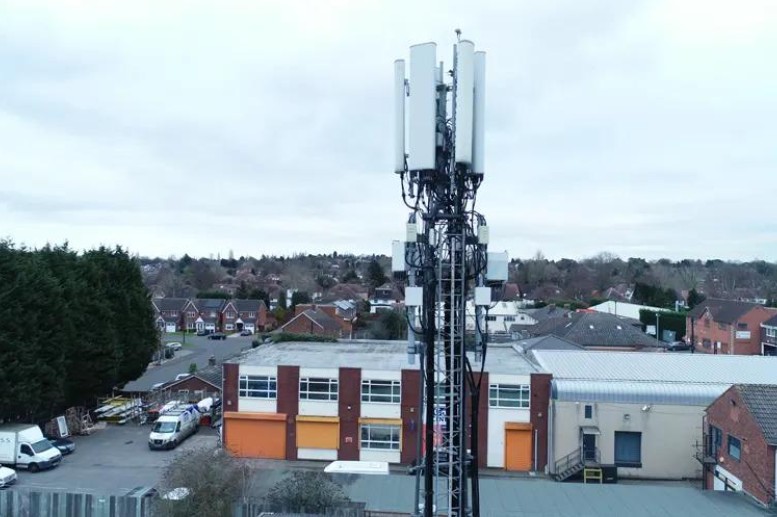
As a business grows, its communication needs usually grow too. More staff, more devices, new work areas, or office expansion can all place more demand on indoor coverage. A commercial cell phone signal booster can now support stronger mobile service while aligning with a broader plan for future connectivity. This is helpful for companies planning renovations, tenant improvements, new departments, or technology upgrades.
It is also necessary to consider scalability when numerous people in a building use their mobile devices simultaneously. In such situations, one needs to ensure that employees, clients, contractors, delivery drivers, and visitors all have access to high-quality service in the building. The right solution will help ensure that all areas are covered without any dead zones.
Reliable Connectivity Can Support Safety and Continuity
Additionally, indoor mobile coverage can enhance workplace safety. If an employee needs to contact a manager, maintenance crew, security personnel, or an emergency response unit, a poor connection might cause extra time to be wasted. A more reliable connection allows the employee to have one more channel through which they can contact others. However, it should be kept in mind that indoor mobile coverage is no substitute for safety protocols; it will still help be ready in any situation.
Furthermore, indoor mobile coverage is very handy in case other means are overloaded. Wi-Fi networks are quite useful, but at times they may fail due to overload. Thus, good coverage provides another way to communicate if internet services are not working well. This way, businesses will avoid disruptions caused by bad communication during working hours.
Choosing the Right Installation Partner Matters
For maximum efficiency, a boosting system needs to be properly designed and installed. Businesses need to hire professionals who understand commercial buildings, signal testing, cable routing, antenna positioning, and long-term performance. Experts will be able to analyze the building, identify the reasons for poor signal strength, suggest appropriate solutions, and install the system in an organized and effective way to improve indoor coverage.
Expert opinion will also help businesses make well-informed decisions before implementing the boosting system. Rather than relying on guesswork about which type of equipment may perform adequately, businesses will get customized, reliable solutions tailored to their signal situation and building. It will significantly reduce the risk of low-quality, uneven coverage or additional reinstallation costs.
Conclusion
An adequate signal indoors means fewer disruptions to business operations. This is because it will mean no dropped calls or delays in communications for the San Antonio commercial buildings. Poor signals will result in a lack of efficiency, poor customer care, payment issues, and coordination issues, among others. The right planning in the boosting process will ensure that this happens.
CMC communications can help businesses improve indoor connectivity with professional planning, installation, and communication infrastructure support. Their team understands commercial spaces and can help companies choose solutions that match their building, workflow, and long-term needs. For businesses looking to reduce weak signal problems, working with an experienced provider can make the process clearer and more effective.
Frequently Asked Questions
Question: Why do many San Antonio businesses have weak indoor cell signals?
Answer: Poor indoor reception is caused by the obstruction of the outdoor reception by the building materials. Examples of such materials include concrete, steel, tinted glass, heavy walls, elevators, and basement areas. Poor design of large commercial buildings may lead to poor indoor coverage, whereby some rooms receive service, and others do not.
Question: What types of businesses can benefit from better indoor cellular coverage?
Answer: All of these can benefit from it. Any business that relies on mobile phone calls, texting, transactions, coordinating with its workers out in the field, and communicating with customers may find it worthwhile to invest in improved indoor cell phone signals.
Question: Is a cell booster the same as Wi-Fi?
Answer: No. Wi-Fi requires internet access to provide wireless connectivity, whereas a cell booster enhances the cellular signal inside the building. The two devices play different roles, but both can be used in business settings.
Question: How do businesses know if they need a signal boosting system?
Answer: Some common indicators include dropped calls, poor call quality, very slow mobile data, inability to send messages, or staff members having to relocate to window areas. When these problems occur frequently within the building itself, one can consider a professional signal survey to determine an appropriate remedy.
Question: Can one system improve coverage across an entire building?
Answer: That would depend on the structure’s size, layout, the strength of the external signals, and the system is design. Small structures may require a simple configuration, while large structures and those with many floors may require many antennas.

Rachel Collins is the founder and creative voice behind Pun Boom, where words go BOOM! A writer with a sharp wit and a love for wordplay, Rachel turns everyday ideas into clever, laugh-worthy puns that spark joy and creativity. She believes humor connects people one pun at a time and aims to make readers smile with every post. When she’s not crafting puns, she’s exploring new ideas, chasing inspiration, and enjoying the lighter side of life.