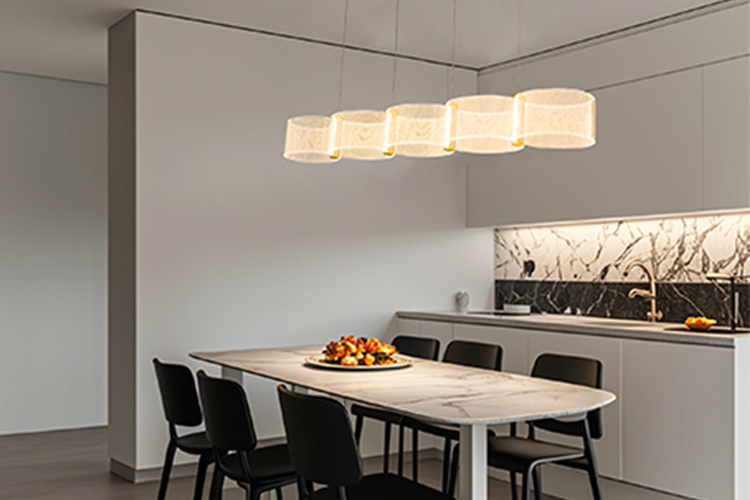
An example of poor interior design is poor lighting, which can leave a beautiful room looking unfinished despite its good design. Some lights serve the purpose of lighting the room well without contributing to creating a balance or adding interest in any way. It is not unusual for homeowners to focus on furniture and décor while ignoring lighting entirely.
Pendant lights represent an alternative option to solve this problem. Pendant lights integrate functional lighting with aesthetics; therefore, they can be used almost everywhere. Visual Comfort pendant lighting is one example that highlights how lighting could be considered a part of the interior design. The following paper will discuss the unique features of pendant lights.
Strong Visual Presence in Any Room
Pendant lights catch one’s eye, which is something that ordinary ceiling lights do not accomplish often enough. The unique hanging style of these lamps automatically grabs the attention of people around them and establishes a defined area. When hung on top of a dining table, a pendant light acts as a focal point for the room. It can similarly draw attention to the island counter in a kitchen.
Better Light Distribution for Daily Tasks
Normal lighting fixtures disperse light all around a room in an uncontrollable manner. On the other hand, pendant lights ensure that light is directed to wherever it is needed. When a lighting fixture is placed in the kitchen near the kitchen island, it ensures that light is directed for preparing meals. In the case of reading purposes, one places pendant lighting at his reading chair.
Greater Flexibility Across Interior Styles
Pendant lighting complements a broad range of design themes. Traditional interiors can feature fixtures with elegant detailing and classic finishes. Contemporary spaces benefit from clean lines and minimalist forms. Industrial designs pair well with metal accents and exposed elements. This versatility allows homeowners to maintain a consistent aesthetic throughout the home. Pendant lights adapt easily to changing décor preferences without requiring major design adjustments.
Effective Use of Vertical Space
High-ceilinged rooms may appear vacant despite the presence of stylish furniture pieces. This is where pendant lighting comes into play, as it serves to make up for the empty space and ensures better balance of the room. Being suspended, it adds depth and an extra element which is impossible to achieve with just wall-mount fixtures.
Multiple Fixture Options for Larger Areas
Pendant lighting offers flexibility through single fixtures, paired arrangements, or grouped installations. Long kitchen islands can accommodate several pendants positioned evenly across the surface. Dining spaces can feature linear designs that complement larger tables. Open floor plans benefit from coordinated pendant layouts that define separate zones. This adaptability allows homeowners to tailor lighting solutions to room size and function without sacrificing style.
Decorative Value Beyond Illumination
The pendant lamp will always be a decorative element, whether it is turned on or not. The type of material, finishing, shape, and workmanship will help give a certain look to the space. The glass shades can give a more airy effect, while metallic shades will help add some contrast. Designers often use pendant lighting as an alternative to other decorations such as artwork.
Practical Solutions for Modern Lifestyles
Homes serve multiple purposes, including work, relaxation, entertainment, and dining. Pendant lighting supports these activities through strategic placement and focused illumination. A pendant above a breakfast nook creates a welcoming spot for casual meals. Fixtures in home offices improve task visibility without occupying desk space. Products such as Visual Comfort pendant lighting provide design flexibility that supports the changing needs of modern households.
Scale and Placement Create Better Results
What makes pendant lights unique is their ability to be customized based on your needs. The size of the fixture, the distance between the light and the ceiling, and other factors can impact how well the fixture performs. For instance, a grand foyer may need a larger fixture, whereas a small area will only require a compact fixture.
Details Worth Comparing Before Choosing Pendant Lighting
- Shade Material
Glass, metal, fabric, and mixed-material shades create different visual effects and lighting experiences. - Fixture Size
Proportions should align with room dimensions and furniture scale for a balanced appearance. - Adjustable Height Features
Flexible suspension systems allow customization based on ceiling height and room function. - Light Direction
Some designs focus light downward, while others distribute illumination more broadly across the room. - Finish Selection
Finishes such as brass, bronze, nickel, or matte black help coordinate with surrounding décor. - Bulb Compatibility
Fixture designs may support different bulb types, brightness levels, and color temperatures.
The benefits of pendant lighting extend way past its role as a lighting source. The capabilities of creating an effect of focused lighting as well as providing aesthetic value make it an effective component when adding light sources in homes. With correct positioning and the choice of the right lighting fixtures, one is capable of creating spaces that appear more functional and aesthetically pleasing.

Rachel Collins is the founder and creative voice behind Pun Boom, where words go BOOM! A writer with a sharp wit and a love for wordplay, Rachel turns everyday ideas into clever, laugh-worthy puns that spark joy and creativity. She believes humor connects people one pun at a time and aims to make readers smile with every post. When she’s not crafting puns, she’s exploring new ideas, chasing inspiration, and enjoying the lighter side of life.