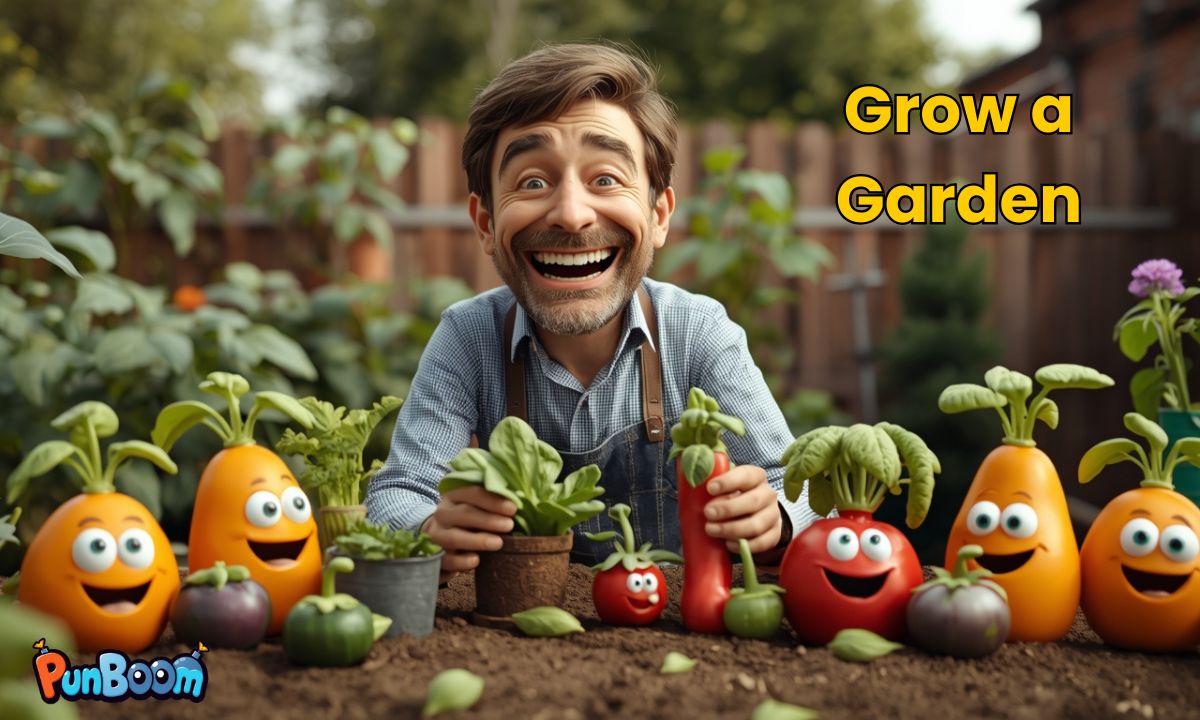
Growing a garden sounds peaceful, calming, and productive—until you realize it’s mostly about talking to plants, negotiating with weeds, and pretending you meant for things to grow that way. When people say “grow a garden,” they imagine fresh air and quiet moments, but seasoned gardeners know it’s also a comedy show starring dirt, patience, and very optimistic expectations.
To grow a garden is to believe in potential while standing knee-deep in soil, hoping today is not the day the plants give up on you. It’s a hobby where instructions are vague, results are unpredictable, and success is measured by whether anything survived the week. Somehow, laughter becomes just as important as water, sunlight, and pretending you know what you’re doing.
This article takes the idea of growing a garden and lets it run wild—through humor, jokes, wordplay, and puns that bloom faster than weeds. Because if you’re going to grow a garden, you might as well grow a sense of humor with it.
This isn’t loud, punchline comedy—this is gentle, relatable humor for people who enjoy smiling, not snorting coffee.
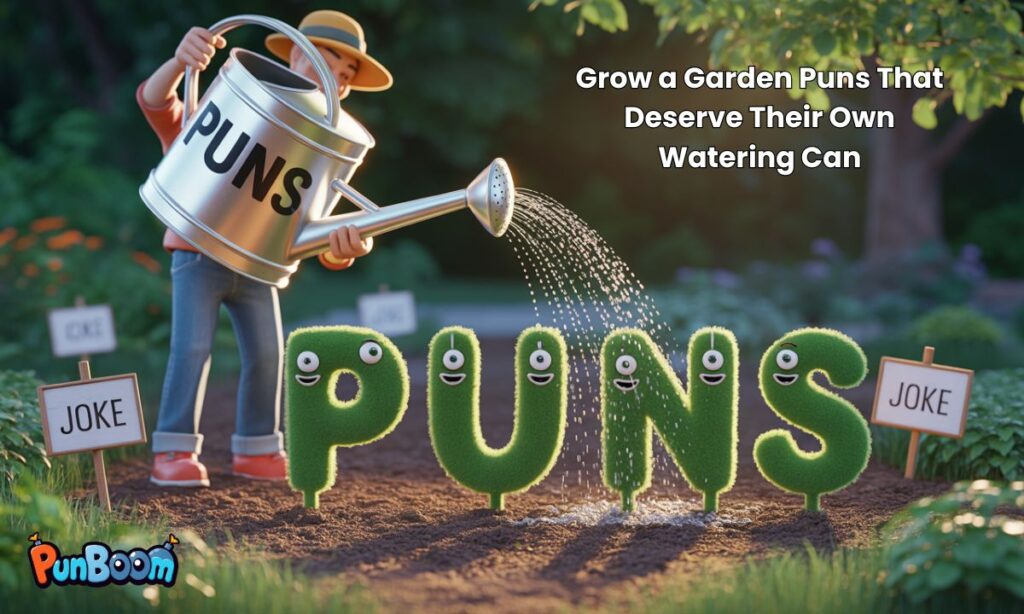
Grow a Garden Puns That Deserve Their Own Watering Can 🌱
- I tried to grow a garden, but my thyme management was terrible.
- Lettuce be honest—gardening is just dirt with commitment issues.
- I grow a garden because my plants are the only ones who listen.
- My garden and I are in a long-term relationship; it’s complicated.
- I asked my plants to grow up—they took it personally.
- Gardening taught me that some roots are emotional.
- I grow a garden to stay grounded… literally.
- My plants thrive on water, sunlight, and my unrealistic expectations.
- Gardening is just optimism wearing gloves.
- I told my garden I needed space—it gave me weeds.
- I grow a garden because retail therapy requires too much parking.
- My plants grow better when I stop hovering like a helicopter parent.
- Gardening is proof that patience grows underground first.
- I grow a garden to feel productive while avoiding real problems.
- Some people chase dreams—I chase weeds.
- My garden has taught me that growth is mostly waiting.
- I grow a garden because talking to plants is socially acceptable outside.
- Gardening is a dirt-based trust exercise.
- My plants don’t need advice—they need consistency.
- I grow a garden so I can say I’m working on my roots.
Grow a Garden Without Knowing What You’re Doing
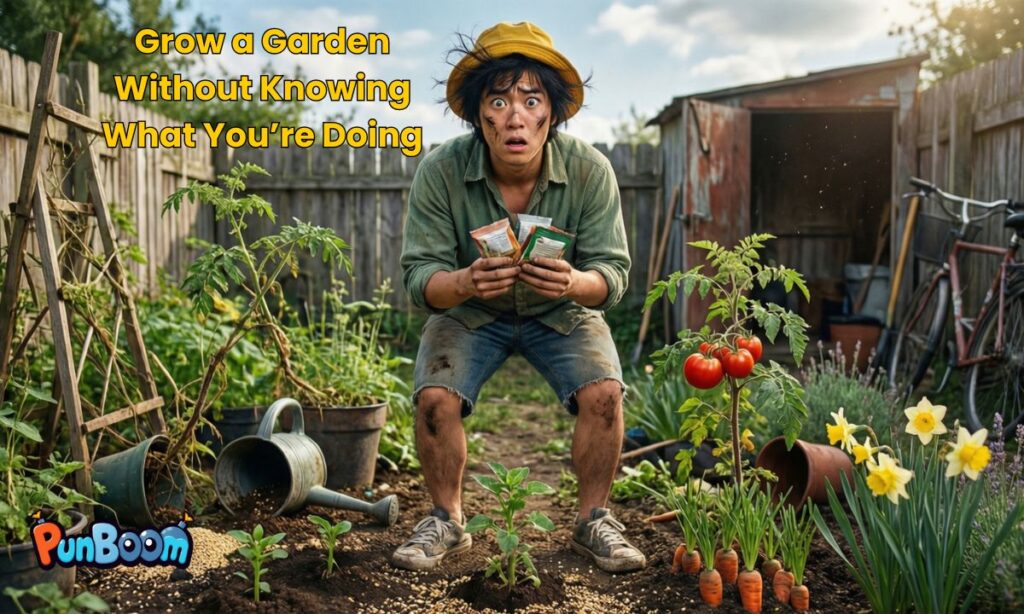
Learning by Planting (and Panicking)
- When you grow a garden without a plan, panic becomes your first fertilizer.
- Growing a garden feels confident until the first leaf turns suspiciously yellow.
- You grow a garden thinking it’s peaceful, then immediately start second-guessing every move.
- Learning to grow a garden often begins with saying, “I’m sure this is fine.”
- Every beginner grows a garden with hope and a very loose understanding of instructions.
- You know you’re learning to grow a garden when mistakes feel educational instead of tragic.
- Growing a garden teaches patience right after testing it.
- Panic is just enthusiasm realizing it has no idea what it’s doing.
When Google Becomes Your Gardening Partner
- You grow a garden with confidence until Google asks, “Are you sure?”
- Growing a garden means trusting search results written by people who sound suspiciously calm.
- Google helps you grow a garden while reminding you that timing matters too much.
- You grow a garden one search at a time, usually five minutes too late.
- Every gardener grows a garden with one hand in the soil and the other refreshing search results.
- Growing a garden becomes easier when Google pretends all problems are normal.
- You grow a garden by trusting advice that starts with “ideally.”
- Google makes growing a garden feel scientific, even when it’s guesswork.
Confidence Grows Faster Than Plants
- When you grow a garden, confidence appears long before results do.
- Growing a garden makes you feel skilled even when nothing proves it yet.
- Confidence blooms early when you grow a garden and plant everything on day one.
- You grow a garden believing effort alone counts as experience.
- Gardening confidence peaks right before reality checks in.
- Growing a garden teaches that optimism grows faster than vegetables.
- You feel like an expert gardener until plants request proof.
- Growing a garden builds confidence that patiently waits to be humbled.
Grow a Garden and Accidentally Grow a Sense of Humor
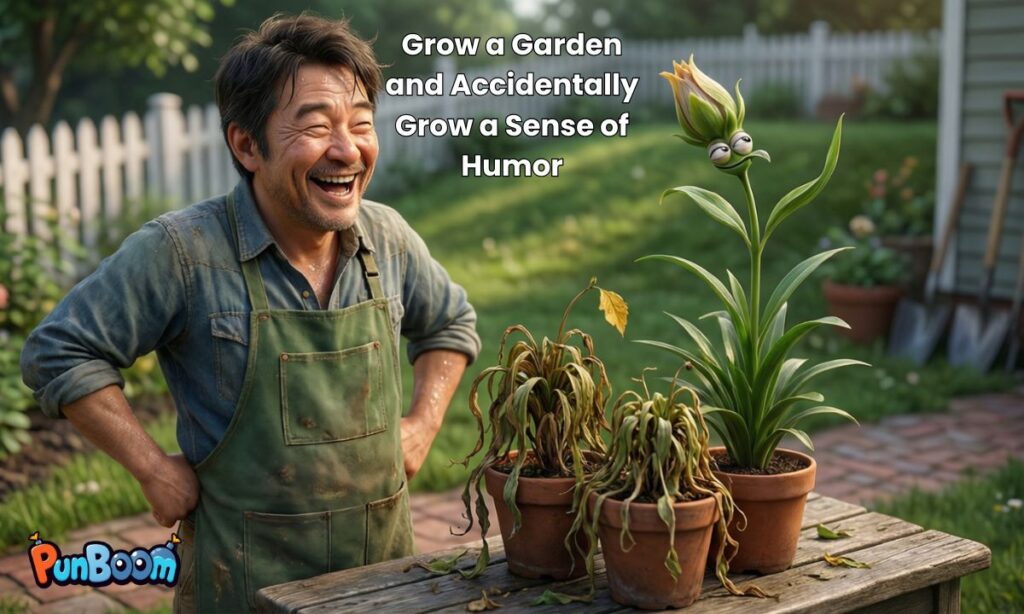
Laughing at Dead Plants
- When you grow a garden long enough, laughter becomes a coping mechanism.
- Dead plants hurt less when you grow a garden with humor.
- Growing a garden teaches you to laugh before you cry.
- You grow a garden and realize not everything is meant to survive.
- Every failed plant adds character when you grow a garden.
- You don’t fail at gardening—you collect funny lessons.
- Growing a garden turns plant loss into storytelling material.
- Humor helps when plants refuse to cooperate.
Gardening Expectations vs Reality
- You grow a garden expecting abundance and get character development instead.
- Gardening dreams grow faster than actual results.
- You grow a garden picturing perfection and harvest reality.
- Expectations wilt quickly when you grow a garden.
- Growing a garden replaces fantasy with patience.
- Reality shows up muddy when you grow a garden.
- You grow a garden and learn optimism has limits.
- Gardening reality checks arrive unannounced.
Humor as a Survival Skill
- You grow a garden better when you stop taking it personally.
- Humor keeps gardeners going when logic fails.
- Growing a garden teaches resilience through laughter.
- When plants disappoint, humor steps in.
- You grow a garden long enough to develop emotional flexibility.
- Gardening humor grows where expectations don’t.
- Laughing helps you grow a garden without losing hope.
- Humor is the only tool that never breaks in gardening.
Grow a Garden and Talk to Plants Like They Understand
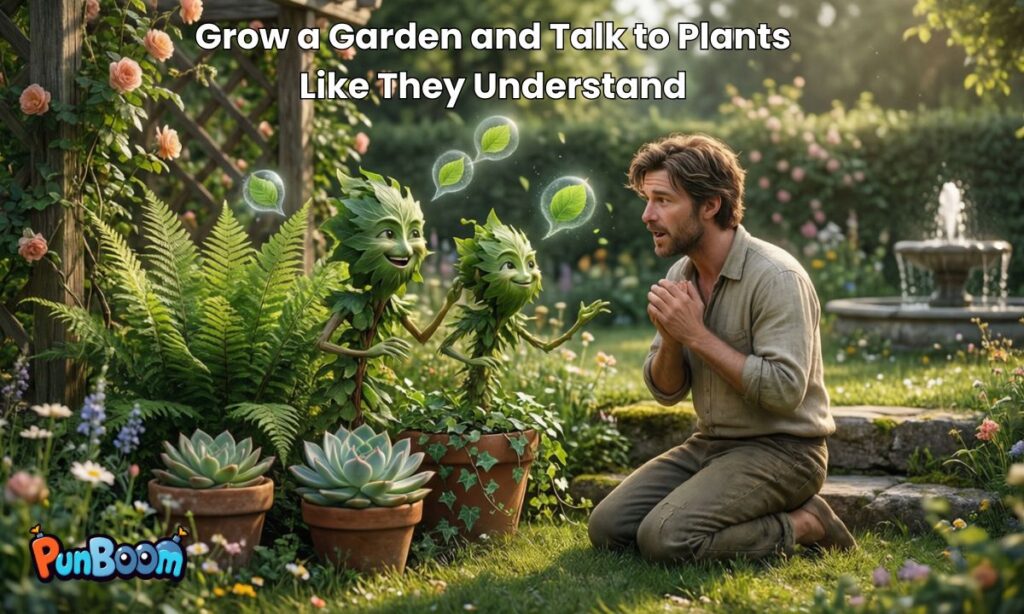
Motivational Speeches for Vegetables
- When you grow a garden, plants receive more encouragement than people.
- You grow a garden by giving vegetables daily motivational talks.
- Talking to plants feels normal once you start gardening seriously.
- You grow a garden believing positive words might speed things up.
- Plants hear pep talks they didn’t sign up for.
- Growing a garden turns you into a motivational speaker for leaves.
- You grow a garden hoping confidence transfers through conversation.
- Vegetables listen better than most audiences.
Apologizing to Plants You Forgot to Water
- You grow a garden and apologize more than you expected.
- Forgetting water turns into heartfelt plant apologies.
- Growing a garden teaches accountability through quiet regret.
- Plants receive apologies without forgiveness confirmations.
- You grow a garden promising to do better tomorrow.
- Gardening guilt appears faster than weeds.
- You apologize to plants knowing they won’t respond.
- Growing a garden humbles you politely.
Emotional Support Gardening
- When you grow a garden, plants become emotional companions.
- Gardening turns quiet moments into therapy sessions.
- You grow a garden and talk through your thoughts.
- Plants listen without interrupting or judging.
- Growing a garden feels calming even when nothing grows.
- Emotional support comes in leafy form.
- You grow a garden to feel grounded.
- Gardening proves silence can be supportive.
Grow a Garden the Hard Way (Because Easy Is a Myth)
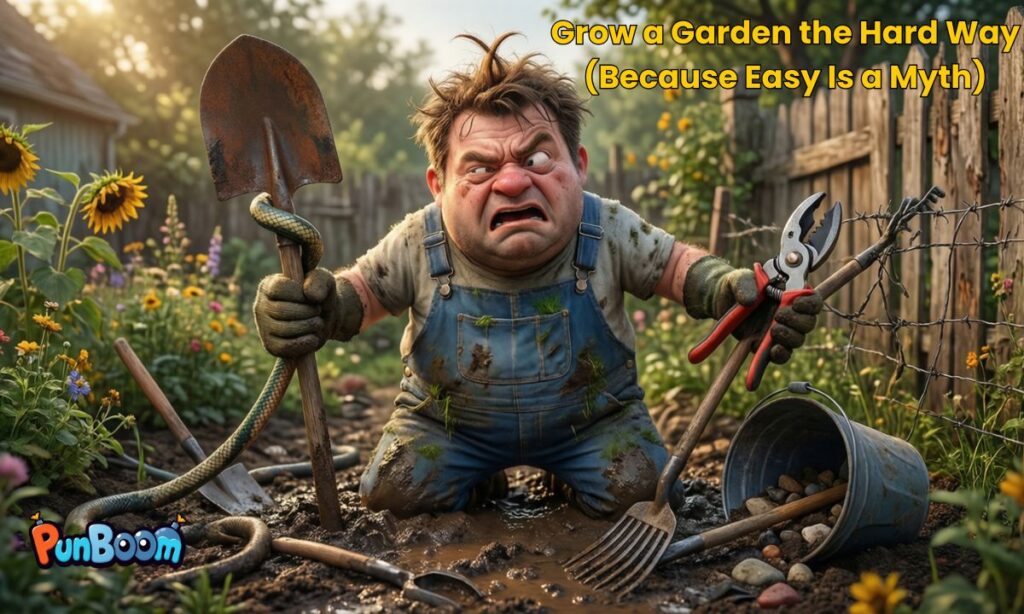
Learning Through Trial and Error
- When you grow a garden, mistakes become your most reliable teachers.
- Gardening lessons usually arrive after the damage is done.
- You grow a garden by testing limits—mostly yours.
- Trial and error is just gardening without shortcuts.
- Growing a garden proves experience is expensive.
- You learn fastest when plants fail loudly.
- Gardening mistakes leave permanent mental notes.
- Growing a garden builds wisdom one error at a time.
Weather Has Personal Opinions
- You grow a garden until the weather decides otherwise.
- Rain appears exactly when it’s inconvenient.
- Growing a garden means negotiating with the sky.
- Weather forecasts feel like optimistic suggestions.
- You grow a garden and learn humility from clouds.
- Sun, rain, and wind take turns testing patience.
- Gardening plans change with the forecast.
- You grow a garden while the weather laughs quietly.
Tools That Work… Sometimes
- Gardening tools promise help but deliver surprises.
- You grow a garden and collect tools you barely understand.
- Tools feel powerful until they meet stubborn soil.
- Growing a garden teaches respect for simple equipment.
- Some tools exist only to confuse beginners.
- Gardening tools work best after frustration.
- You grow a garden learning which tools matter.
- Every tool has a learning curve.
Grow a Garden and Accidentally Learn Patience
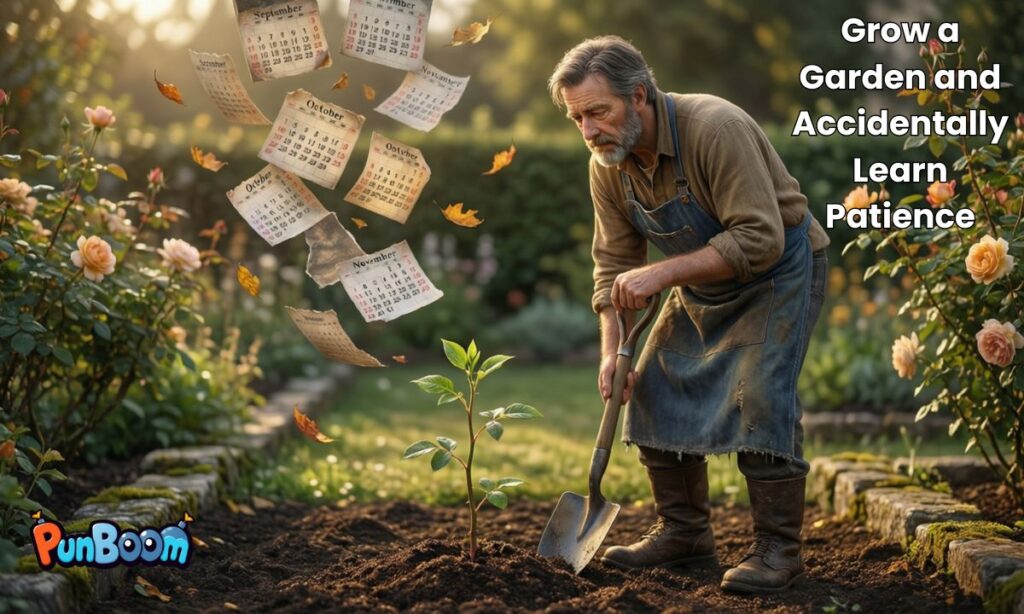
Waiting Is the Real Work
- When you grow a garden, waiting becomes a daily task.
- Gardening teaches that progress is often invisible.
- You grow a garden and learn patience the slow way.
- Nothing rushes just because you’re ready.
- Growing a garden makes time feel deliberate.
- Waiting is where most gardening happens.
- You grow a garden by trusting tomorrow.
- Patience grows quietly underground.
Checking Plants Too Often
- You grow a garden and check plants like they owe updates.
- Growth doesn’t speed up no matter how often you look.
- Gardening curiosity turns into daily inspections.
- You grow a garden hoping today is different.
- Plants ignore your schedule completely.
- Checking too often tests emotional discipline.
- You grow a garden learning when to step back.
- Some growth requires distance.
Accepting Slow Progress
- Growing a garden teaches appreciation for small changes.
- Progress feels slow until you look back.
- You grow a garden learning that steady matters.
- Slow progress builds stronger roots.
- Gardening rewards consistency over urgency.
- You grow a garden by staying patient.
- Slow growth feels frustrating until it works.
- Gardens move at their own pace.
Grow a Garden and Start Thinking Like a Philosopher
Deep Thoughts While Pulling Weeds
- When you grow a garden, even weeds trigger life questions.
- Gardening makes you wonder why growth and struggle arrive together.
- You grow a garden and realize effort doesn’t guarantee outcomes.
- Pulling weeds feels symbolic after a while.
- Gardening turns silence into reflection time.
- You grow a garden thinking about patience, effort, and control.
- Weeds teach lessons plants never explain.
- Gardening invites quiet thinking.
Control Is Mostly an Illusion
- You grow a garden believing you’re in charge.
- Gardening quickly corrects that assumption.
- You can guide a garden, not command it.
- Growing a garden proves nature has veto power.
- Control feels temporary in the soil.
- You grow a garden and learn flexibility.
- Gardening humbles confident planners.
- The garden decides more than you do.
Growth Happens in Its Own Time
- Growing a garden teaches trust in unseen work.
- You learn that progress doesn’t announce itself.
- Gardening shows that effort compounds quietly.
- You grow a garden by believing in tomorrow.
- Roots work before results appear.
- Gardening rewards long-term thinking.
- You grow a garden accepting delayed rewards.
- Time is the final ingredient.
Grow a Garden and Redefine Success
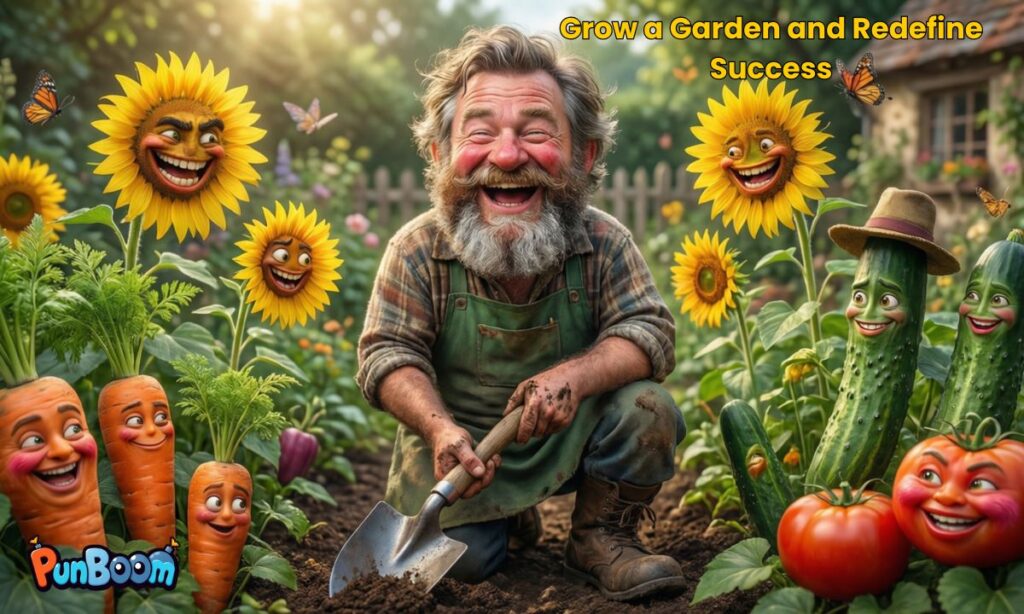
Survival Is a Win
- When you grow a garden, survival counts as success.
- Gardening teaches that not everything has to thrive to matter.
- You grow a garden celebrating what didn’t quit.
- Success sometimes means “still alive.”
- Growing a garden lowers expectations in healthy ways.
- Any plant standing counts as progress.
- Gardening success looks different each season.
- You grow a garden learning to appreciate resilience.
Comparing Gardens Is Pointless
- You grow a garden best when you stop comparing.
- Every garden grows with different advantages.
- Gardening comparison steals joy quickly.
- You grow a garden for yourself, not competition.
- Success feels lighter without comparison.
- Gardens don’t care what others are doing.
- You grow a garden learning self-focus.
- Comparison wilts motivation.
Small Wins Matter
- Growing a garden makes small wins feel huge.
- One healthy leaf can change your mood.
- You grow a garden celebrating inches, not miles.
- Progress shows up quietly.
- Gardening teaches appreciation for details.
- You grow a garden noticing subtle success.
- Small victories build confidence.
- Gardens reward attention.
Grow a Garden and Accidentally Grow Rich (In Lessons)

Think and Grow Rich… in Compost
- When you grow a garden, knowledge becomes your real currency.
- Gardening proves effort compounds better than shortcuts.
- You grow a garden learning patience pays interest.
- Think and grow rich starts in the soil, not the wallet.
- Gardening teaches long-term investment thinking.
- You grow a garden and harvest lessons first.
- Rich results begin with poor-looking beginnings.
- Compost today, confidence tomorrow.
Mindset Matters More Than Soil
- Growing a garden starts in your head before the ground.
- You grow a garden believing progress is possible.
- Gardening rewards persistence over perfection.
- A strong mindset survives bad seasons.
- You grow a garden learning optimism responsibly.
- Belief keeps gardeners trying again.
- Growth follows consistent thinking.
- Gardens reflect mindset.
Success Isn’t Always Financial
- You grow a garden richer in calm.
- Gardening builds wealth in peace of mind.
- You grow a garden gaining satisfaction, not cash.
- Success feels quieter than expected.
- Gardening rewards emotional returns.
- You grow a garden investing in yourself.
- Fulfillment grows naturally.
- Some riches can’t be measured.
Grow a Garden and Realize It Was Never About Plants
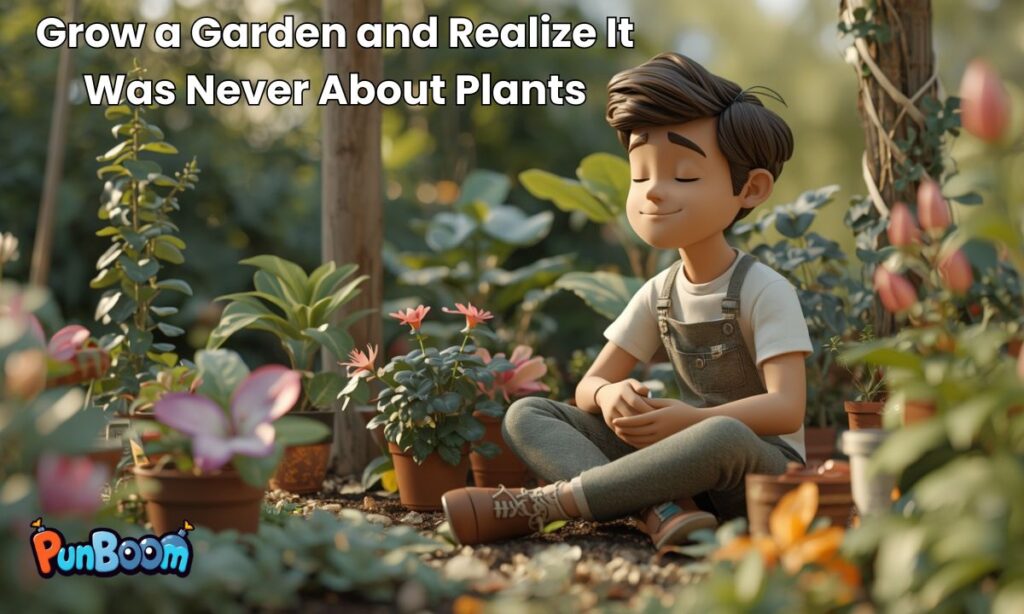
It’s About the Process
- When you grow a garden, the process becomes the point.
- Gardening teaches presence through repetition.
- You grow a garden learning to enjoy effort.
- The routine brings calm.
- Gardening slows life down.
- You grow a garden appreciating simplicity.
- Progress feels personal.
- The process shapes you.
Growth Changes the Gardener
- You grow a garden and grow yourself.
- Gardening builds patience quietly.
- You change while waiting for plants.
- Growth happens on both sides.
- Gardening improves perspective.
- You grow a garden becoming steadier.
- Time outdoors shifts priorities.
- Growth feels mutual.
Humor Keeps It All Together
- You grow a garden better with humor.
- Laughing makes setbacks lighter.
- Gardening without humor feels heavy.
- You grow a garden enjoying imperfections.
- Humor keeps expectations realistic.
- Gardening stays fun with laughter.
- You grow a garden smiling through mistakes.
- Humor blooms every season.
Questions People Ask When They Want to Grow a Garden
Q1: How do I grow a garden if I’m bad at plants?
A: Start small, stay curious, and let mistakes do the teaching.
Q2: Why is growing a garden so relaxing?
A: Because plants grow slowly and force your brain to breathe.
Q3: Can gardening really improve your mindset?
A: Yes—gardens train patience better than motivational quotes.
Q4: What’s the easiest way to grow a garden?
A: Accept that “easy” means learning as you go.
Q5: Is gardening worth the effort?
A: Absolutely—growth happens above and below the surface.
Wrapping Up: Grow a Garden, Grow a Little More
To grow a garden is to sign up for patience, surprise, and a steady supply of small lessons disguised as leaves. It’s not about perfection, speed, or showing off results—it’s about showing up, trying again, and finding humor in the dirt under your nails. Every garden tells a story, and most of them start with optimism and end with wisdom.
In the end, when you grow a garden, you’re growing more than plants. You’re growing calm, perspective, and a sense of humor strong enough to survive unpredictable weather and stubborn soil. If nothing else, gardening reminds us that growth takes time—and that’s not a bad thing at all.

Rachel Collins is the founder and creative voice behind Pun Boom, where words go BOOM! A writer with a sharp wit and a love for wordplay, Rachel turns everyday ideas into clever, laugh-worthy puns that spark joy and creativity. She believes humor connects people one pun at a time and aims to make readers smile with every post. When she’s not crafting puns, she’s exploring new ideas, chasing inspiration, and enjoying the lighter side of life.